

Hi everyone, welcome to DataSagar. I’m here with another definition to make your e-commerce understanding even better. And, the term for today is “E-tailing”.
Electronic retailing, sometimes known as “e-tailing,” is the process of selling products and services online. E-tailing is the technique of displaying things, taking payments, and delivering orders all online. Retailers who only do business online are known as e-tailers.
A website or online store where customers may explore products and make purchases using a computer or mobile device is typically involved in e-tailing. By utilizing email marketing or social media platforms, online merchants can promote their goods and connect with potential customers.

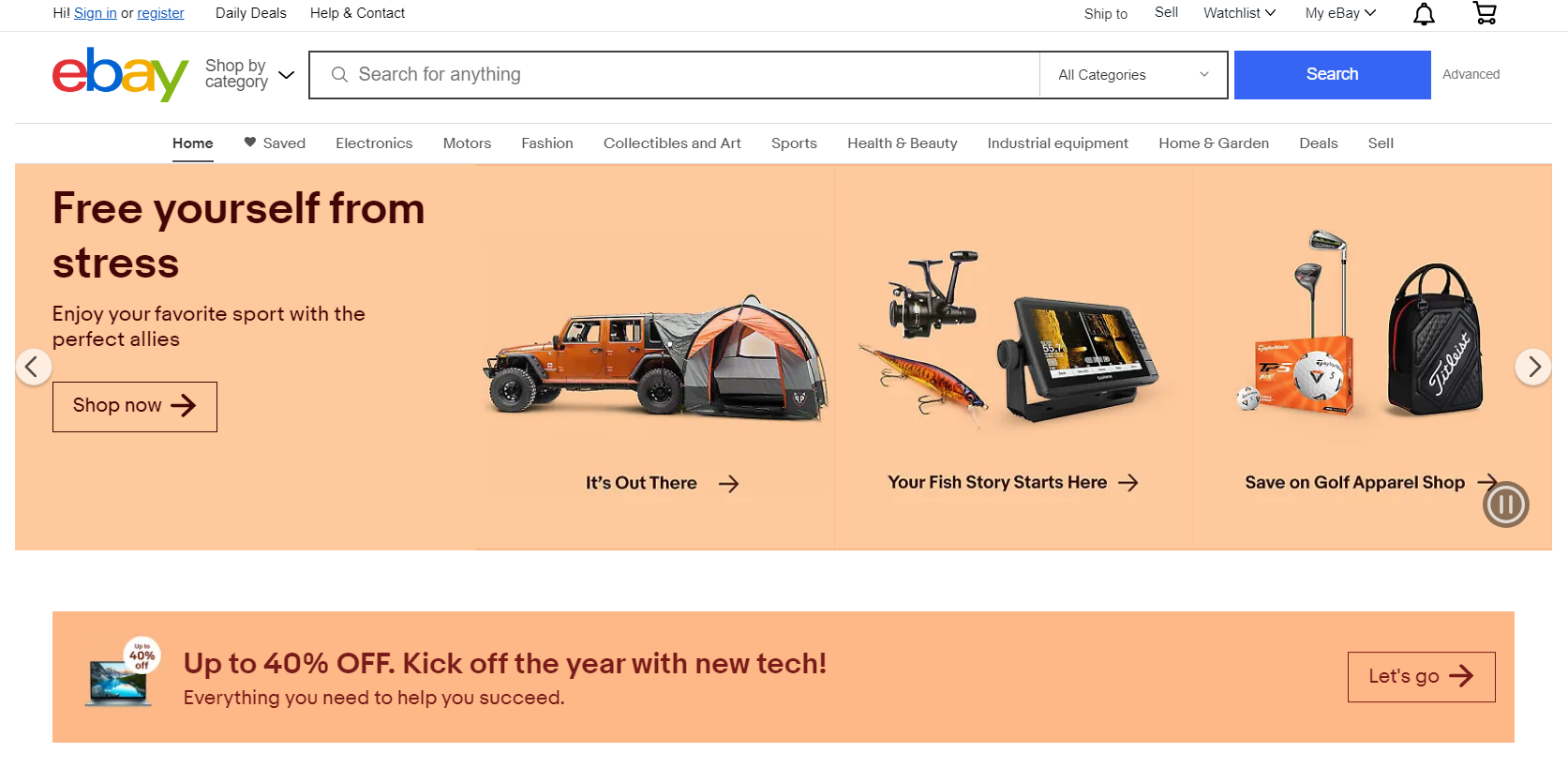
E-tailers like Amazon, eBay, and Etsy are a few instances. As more and more individuals shop online for convenience and a greater selection of goods, e-tailing has grown in popularity in recent years.
By fostering entrepreneurship, generating employment opportunities, and assisting the expansion of small and medium-sized businesses, e-tailers around the world are significantly contributing to the country’s economic progress (SMEs). Here are some ways online retailers are boosting the country’s economy:
Increasing employment opportunities: In order to run their businesses, e-tailers need a variety of highly qualified specialists, including web developers, graphic designers, content writers, customer service agents, and logistical staff. E-tailers help the economy expand by providing employment possibilities for people with various skill sets.
By fostering entrepreneurship: generating employment opportunities, and assisting the expansion of small and medium-sized businesses, e-tailers are significantly contributing to the country’s economic progress (SMEs). Here are some ways online retailers are boosting the country’s economy:
Increasing employment opportunities: In order to run their businesses, e-tailers need a variety of highly qualified specialists, including web developers, graphic designers, content writers, customer service agents, and logistical staff. E-tailers help the economy expand by providing employment possibilities for people with various skill sets.
E-tailers make it simple for customers to access a variety of goods and services from the comfort of their homes, increasing consumption. This ease of use has encouraged consumption, which has fueled the expansion of a number of industries, including retail, logistics, and finance.
Encouraging entrepreneurship, creating job opportunities, and supporting the expansion of SMEs, e-tailers are contributing to the development of a more inclusive and dynamic economy.




I was excited to uncover this site. I need to to thank you for your time for this particularly wonderful read!! I definitely savored every part of it and I have you saved to fav to see new stuff in your site.
Howdy, i read your blog occasionally and i own a similar one and i was just wondering if you get a lot of spam responses? If so how do you stop it, any plugin or anything you can recommend? I get so much lately it’s driving me mad so any support is very much appreciated.