

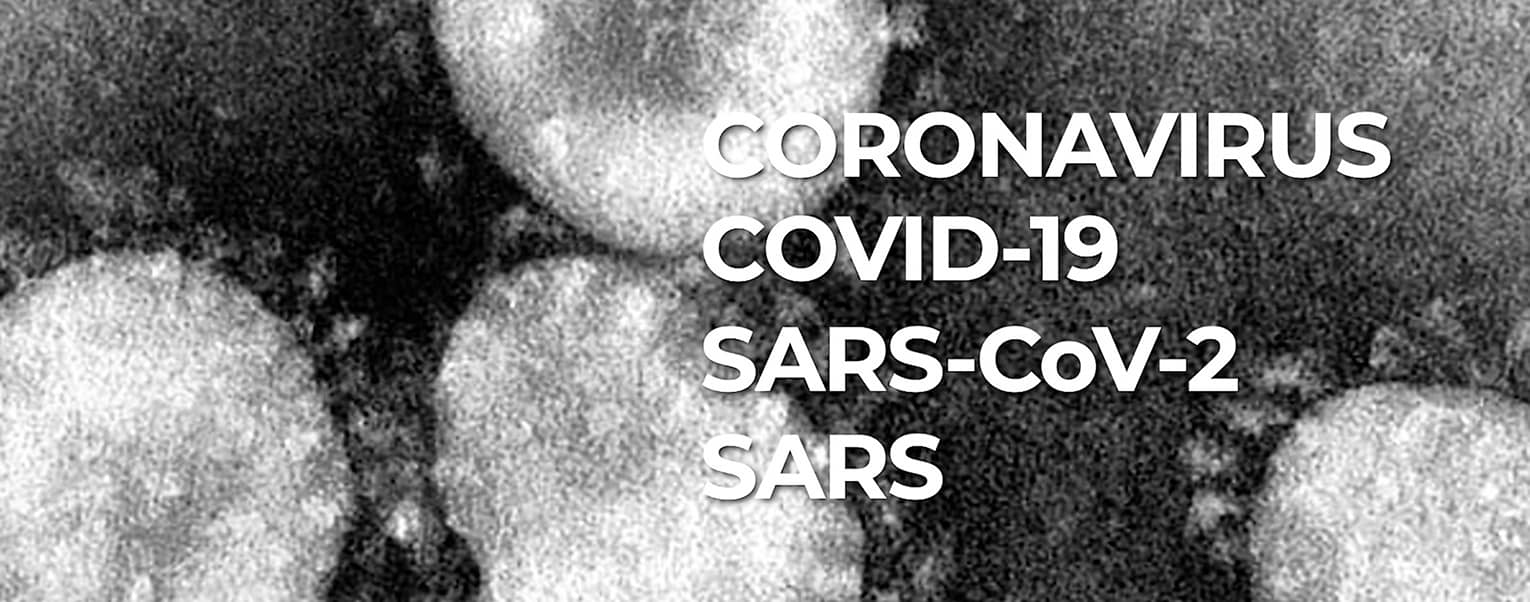
What is Corona Virus?
With common names Coronavirus, COVID-19, Sars-Cov-2 or SARS, etc. Coronavirus is an RNA Virus. Genetic signature inside this virus is made up of Rhino Nucleic Acid(RNA) which can replicate/reproduce itself. Its surface is covered by capsule and elongated structural extensions are seen known as spikes. These spikes form a crown-like structure which is the reason behind its name CoronaVirus. Starting from the year 2019, it created disease and mass penetration and called by the name COVID-19. World Health Organization recently named in accordance with the scientific nomenclature scheme of this category of species as SARS-Cov-2 which means that it’s generation 2 daughter virus of SARS.
How does it enter the human body?

Salival droplets from an infected person with nanoparticles of the SARS-Cov-2 virus go into any surface and hand or any body surface. If it gets a chance to enter the lung, it simply hijacks the protein receptors called ACE2 receptors residing on the surface of human body cells. The main thing is that these receptors are mainly dense in the alveoli cell of lungs from where gas exchange occurs which we call oxygenation. These ACE2 receptors protect lung tissues from injury.
How coronavirus affect our body function?
Coronavirus uses its spikes to communicate with ACE2 receptors and take advantage of the cell itself and use the entire cell as a reproduction factory.

As it replicates, it overtakes protective ACE2 receptors in alveoli. The thickening of the walls and fluid inside alveoli prevents the gas exchange and condition we call is Acute Respiratory Distress Syndrome (ARDS). Fibrosis takes place after that which results in scars within the lungs.
This condition results in no longer oxygenation inside the lung and our body fights back to take this over which we refer to as Severe Acute Respiratory Syndrome (SARS). SARS itself is dangerous as the rest of the body part can’t get enough oxygen to function and leads to multi-organ failure in most of the cases. This happens mainly in alveoli but the fatality ratio is high for a host with Cardiovascular Diseases, Diabetes, Chronic Respiratory Syndrome, High Blood Pressure, and Cancer, etc in prior in accordance with data from WHO.
For Your Information, Fibrosis is a pathological wound healing in which connective tissue replaces normal parenchymal tissue which leads to remarkable tissue remodelling followed by the formation of permanent scar tissues.
Source: https://en.wikipedia.org/wiki/Fibrosis
Clinical effects of SARS.
Clinical reportings from around the globe are seeing severe hypertension and low potassium in the blood as some signs from coronavirus affected patients.
How deadly is coronavirus?
The ability of a virus to spread from one host to another is referred to as the spreading factor for that specific virus. The spread factor for coronavirus is reported to be 2.6. For example, if 5 people have coronavirus and they infect 2.6 others then after 2 cycles 18 peoples could get infected. After 3 cycles, it could easily reach 52 people and make 140 people sick in a span of 4 cycles. Majors suggested by the majority of nations fighting against this virus to be in self-isolation and social distancing. This major flattens the exponential growth curve and help medical workers deal with current cases.
Signs/Symptoms of COVID-19
Following is a chart showing signs and symptoms of patients from three major clusters of China; Wuhan, Hubei Province, and China Country.

How soap help in breaking the chain?
The anatomy of viruses is completely different than that of bacterias. This is the reason that antibacterial soaps are not effective in killing the virus. Coronavirus has a fatty protein layer as an envelope that can only be penetrated by detergents like shampoo, dishwasher soaps, soaps, etc. These detergents act as a surfactant and pull out viruses attached in hand or even face surface. The soap has the ability to crack the outer surface of coronavirus, which means the ability to kill them. For this to happen, one should rub each and every corner of their hand for at least 20 seconds.
I hope you got the proper information about what novel coronavirus is and it’s basic structural information in layman’s term. If you liked the information, help spread this message so that everyone gets exact information about the cause behind this novel pandemic. Stay Safe!